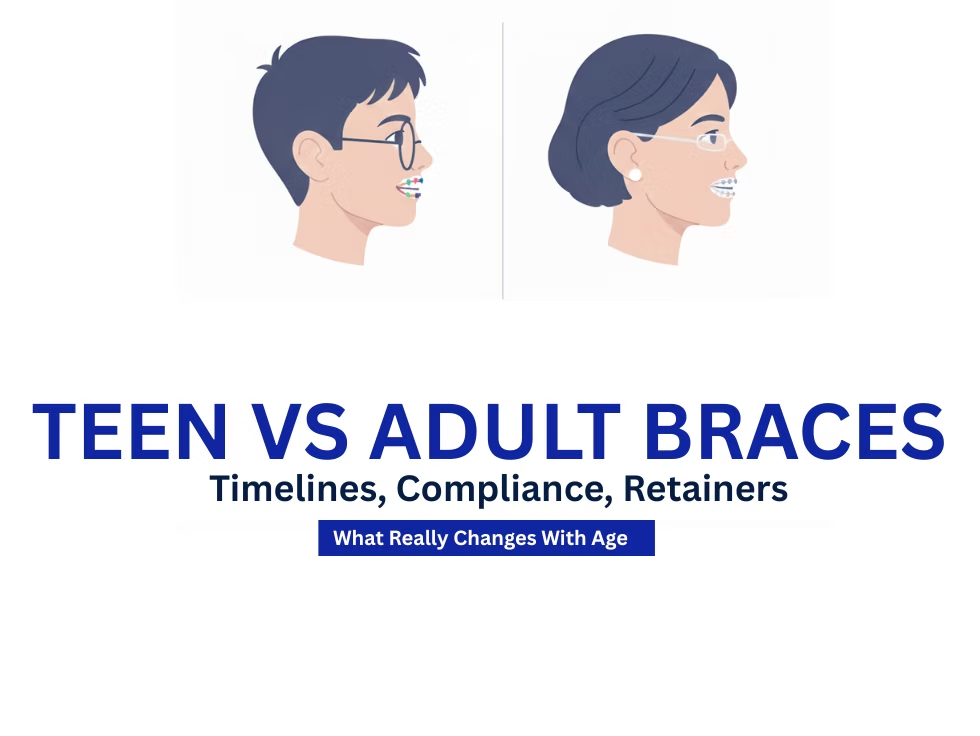
Braces aren’t just about straight teeth. They’re about timing, biology, discipline, and long-term stability. That’s why orthodontic treatment looks very different for a 13-year-old than it does for a 32-year-old — even when the teeth appear “similarly crooked.”
Parents often ask, “Is it better to do braces early?” Adults ask, “Did I miss my chance?”
The honest answer: both teens and adults can get excellent results — but the journey is not the same. Understanding these differences upfront helps you choose the right system, set realistic expectations, and avoid post-treatment relapse.
This guide breaks down timelines, compliance realities, retainer strategies, and outcome differences between teen and adult braces — so you can make a confident, informed decision.
Why Age Changes Orthodontic Treatment (More Than You Think)
Teeth move through bone. Bone responds to pressure differently at different life stages.
In teenagers:
- Bone is softer and more adaptive
- Jaw growth may still be ongoing
- Tooth movement responds faster to force
In adults:
- Bone is denser and fully matured
- No growth correction is possible
- Movement is slower but more controlled
This doesn’t make adult braces worse — just different. In fact, adult orthodontics today is more precise and aesthetic than ever. But timelines, compliance requirements, and retention protocols must be planned differently.
Treatment Timelines: Teen vs Adult Braces (The Realistic View)
Teen Braces: Faster Movement, Variable Discipline
For teens, average treatment time typically ranges from 12 to 18 months. Why faster?
- Softer bone remodels more easily
- Growth can assist bite correction
- Teeth respond quickly to orthodontic forces
However, speed depends heavily on compliance. Missed appointments, broken brackets, or poor elastic wear can extend treatment significantly.
Adult Braces: Slower Movement, Better Control
Adults usually complete treatment in 15 to 24 months, depending on:
- Severity of crowding or bite issues
- Bone density
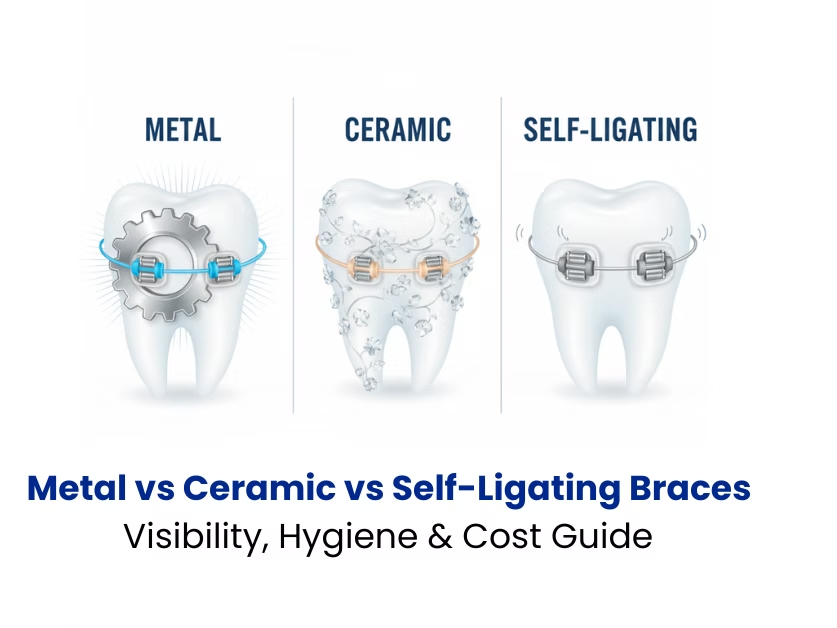
- Choice of appliance (metal, ceramic, self-ligating, aligners)
While tooth movement is slower, adults often progress more predictably because they follow instructions better.
Key truth: A compliant adult often finishes on time. A non-compliant teen often doesn’t.
Compliance: The Single Biggest Difference Between Teens and Adults
Orthodontics works only if the patient participates.
Teen Compliance: Inconsistent by Nature
Teens don’t intentionally sabotage treatment — but real life gets in the way:
- Missed elastic wear
- Poor brushing around brackets
- Broken wires from hard foods
- Lost aligners
Parents play a crucial role here. Regular monitoring and encouragement can dramatically improve outcomes.
Adult Compliance: High Motivation, Better Habits
Adults choose braces themselves — and that changes everything.
- Better oral hygiene
- More consistent aligner wear
- Fewer emergency visits
- Better appointment adherence
This is why many orthodontists prefer self-ligating braces or aligners for adults — systems that reward consistency and reduce friction.
Appliance Choices: What Works Better at Each Age
For Teens
- Metal braces: Durable, effective, budget-friendly
- Ceramic braces: More aesthetic, slightly fragile
- Self-ligating braces: Fewer visits, smoother movement
Aligners can work for teens — but only with excellent compliance.
For Adults
- Ceramic braces for discreet correction
- Self-ligating or Damon braces for faster, gentler movement
- Clear aligners for lifestyle flexibility
Adults often prioritise aesthetics and convenience over speed alone — and modern orthodontics supports that.
Bite Correction: Growth vs Compensation
This is where age truly matters.
Teens: Growth Can Be Guided
In younger patients:
- Jaw discrepancies can be reduced
- Bite relationships can be guided
- Early intervention can prevent surgery later
Adults: Compensation, Not Growth
In adults:
- Teeth can be aligned
- Bite can be improved
- But skeletal discrepancies cannot be “grown out”
Severe jaw issues may require orthognathic surgery + braces — something teens may avoid with early care.
Oral Health Factors Adults Must Consider
Adult orthodontics often overlaps with other dental realities:
- Existing fillings or crowns
- Gum recession
- Past tooth loss
- Bruxism (teeth grinding)
This doesn’t prevent braces — but it demands careful planning. A good orthodontist coordinates with general dentists to protect long-term oral health while straightening teeth.
Retainers: Where Adult and Teen Outcomes Are Won or Lost
Here’s the part most blogs gloss over — but it’s critical.
Teeth want to move back. At any age.
Teen Retainers: Parent-Guided Consistency
- Often removable initially
- Risk of “forgetting”
- Parents must monitor wear
Teen relapse usually happens because retainers aren’t worn consistently after treatment ends.
Adult Retainers: Non-Negotiable Commitment
Adults are more likely to:
- Wear retainers as prescribed
- Understand the cost of relapse
- Opt for long-term or permanent retention
Many orthodontists now recommend lifelong nighttime retainer wear — especially for adults — to protect the investment.
Stability & Long-Term Results: Who Wins?
Surprisingly, adults often maintain results better — not because their teeth are more stable, but because their habits are.
Teens may achieve faster results. Adults often keep them longer.
Success depends less on age — and more on:
- Retainer compliance
- Oral hygiene
- Regular dental follow-ups
Emotional & Psychological Factors
Teen braces are often socially accepted. Adult braces require confidence — but often deliver a bigger emotional payoff.
Adults report:
- Increased self-esteem
- Improved professional confidence
- Greater satisfaction because treatment was a personal choice
That emotional motivation translates directly into better compliance.
So… Should You Start Braces as a Teen or Wait Until Adulthood?
The honest answer:
- Early treatment can simplify future correction
- Adult treatment is just as effective when done right
The “right time” is when:
- You’re ready to commit
- You choose the right system
- You understand the retention phase
Orthodontics is not just about straightening teeth — it’s about building a stable, functional bite for decades.
When to Book an Orthodontic Evaluation
You should book a consultation if:
- Teeth are crowded, spaced, or protruding
- Biting or chewing feels uneven
- Cleaning between teeth is difficult
- You’re unhappy with your smile — at any age
An orthodontic evaluation doesn’t mean you must start treatment. It means you’ll know your options clearly, without guesswork.
Final Thought: Age Doesn’t Decide Results — Commitment Does
Teen braces succeed when parents stay involved. Adult braces succeed when patients stay disciplined.
Both can deliver outstanding results — when planned honestly and maintained properly.
If you’re deciding between starting treatment now or later, the best next step isn’t more reading — it’s a professional orthodontic assessment tailored to your age, lifestyle, and goals.
That clarity alone often removes years of hesitation.