Losing even a single tooth can quietly affect more than just your smile. From chewing efficiency and speech clarity to jaw balance and facial aesthetics, a missing tooth creates a chain reaction inside your mouth. Yet when most people in Whitefield, Bangalore start researching solutions, they’re often told there’s only one “modern” answer: a dental implant.
The truth is more nuanced.
While implants are an excellent solution in many cases, they’re not always the most practical, fastest, or cost-effective option—especially for patients who want predictable results without surgery. For many people, a 3-unit dental bridge offers a proven, reliable, and aesthetically natural alternative that deserves serious consideration.
This guide explains when and why a 3-unit dental bridge may actually be the smarter fix for replacing a single missing tooth, particularly for patients in Whitefield and East Bangalore.
Why Replacing a Missing Tooth Is Not Optional
Ignoring a missing tooth may seem harmless at first, especially if it’s not in the front. However, the long-term consequences can be significant.
Functional Problems
- Nearby teeth begin to drift into the empty space
- Chewing efficiency reduces, stressing other teeth
- Bite imbalance can lead to jaw pain and headaches
Aesthetic Changes
- Smile asymmetry becomes noticeable over time
- Sunken appearance due to bone and tissue loss
- Premature facial aging in some cases
Oral Health Risks
- Increased plaque accumulation
- Higher risk of gum disease
- Uneven pressure leading to tooth fractures
Replacing a missing tooth early is not cosmetic—it’s preventive dentistry.
Common Options for Replacing a Single Missing Tooth
When patients visit a dental clinic in Whitefield for tooth replacement, they’re typically presented with two primary options:
Dental Implant (Quick Overview)
A dental implant involves surgically placing a titanium post into the jawbone, which acts as an artificial root. After healing, a crown is placed on top.
Why implants are popular:
- Independent tooth replacement
- Long lifespan
- Prevents bone loss
But implants are not ideal for everyone, especially when bone density, medical conditions, cost, or timelines are limiting factors.
3-Unit Dental Bridge (Quick Overview)
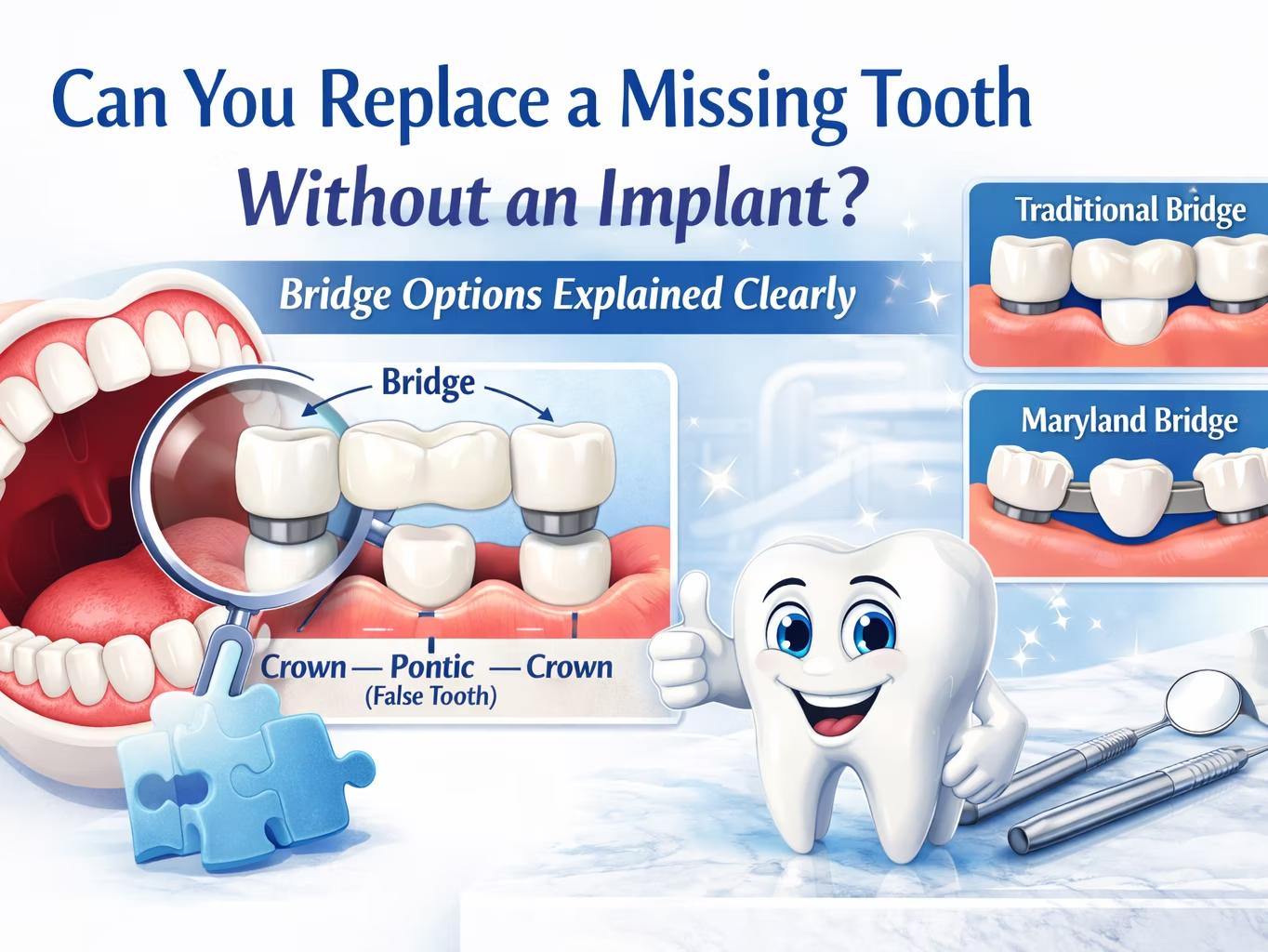
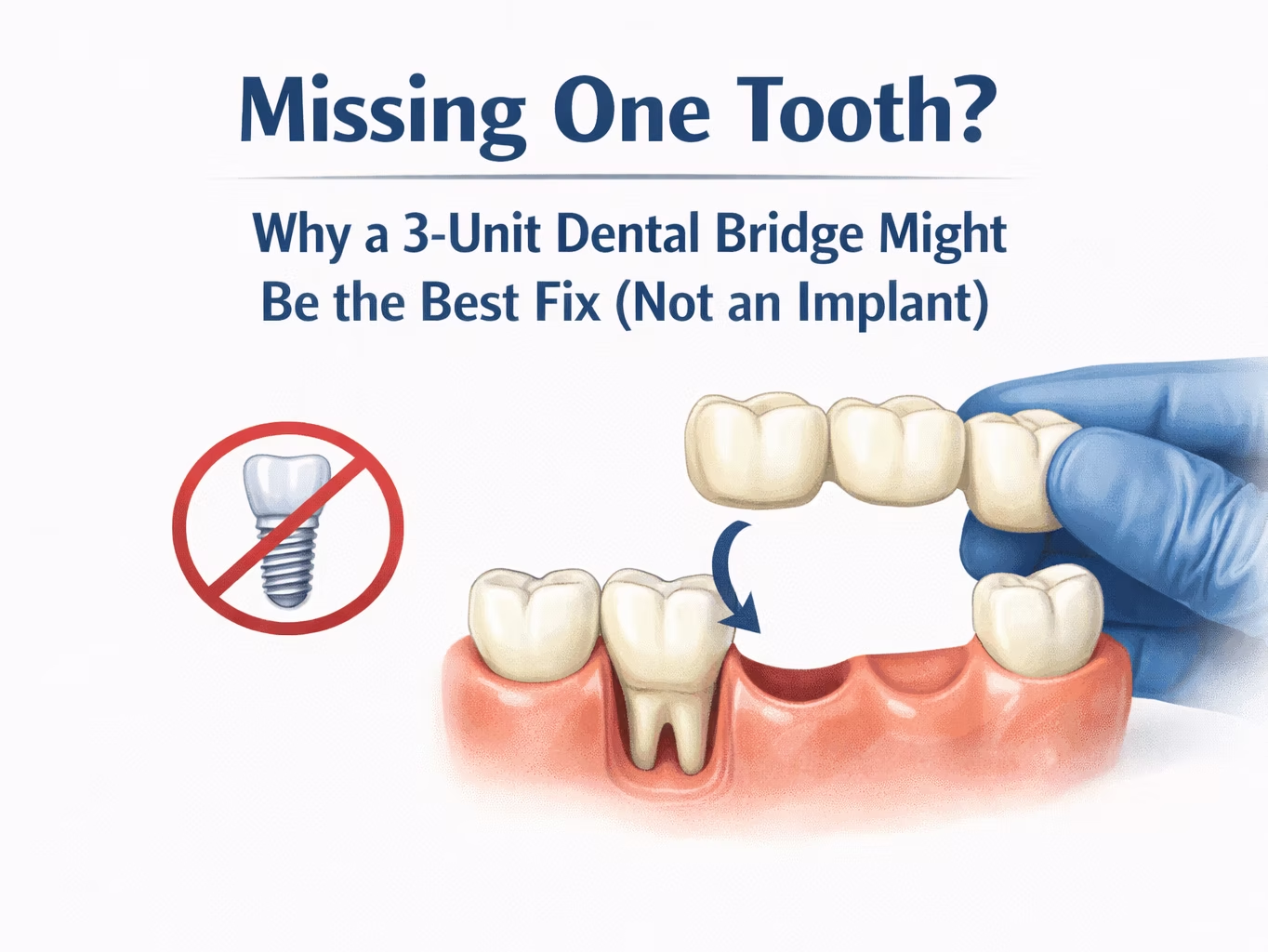
A 3-unit dental bridge replaces one missing tooth by anchoring a false tooth (pontic) between two adjacent teeth that are crowned.
Why bridges remain widely used:
- No surgery required
- Faster completion
- Lower upfront cost
- Predictable outcomes
For many patients in Whitefield, especially those with already restored neighboring teeth, a bridge can be a highly practical choice.
What Exactly Is a 3-Unit Dental Bridge?
A 3-unit dental bridge is a fixed tooth replacement solution made up of three connected components:
- Two abutment crowns – placed on the natural teeth on either side of the gap
- One pontic – the artificial tooth that fills the missing space
Once cemented, the bridge functions like a natural set of teeth—allowing normal chewing, speaking, and smiling.
Materials Used in Modern Dental Bridges
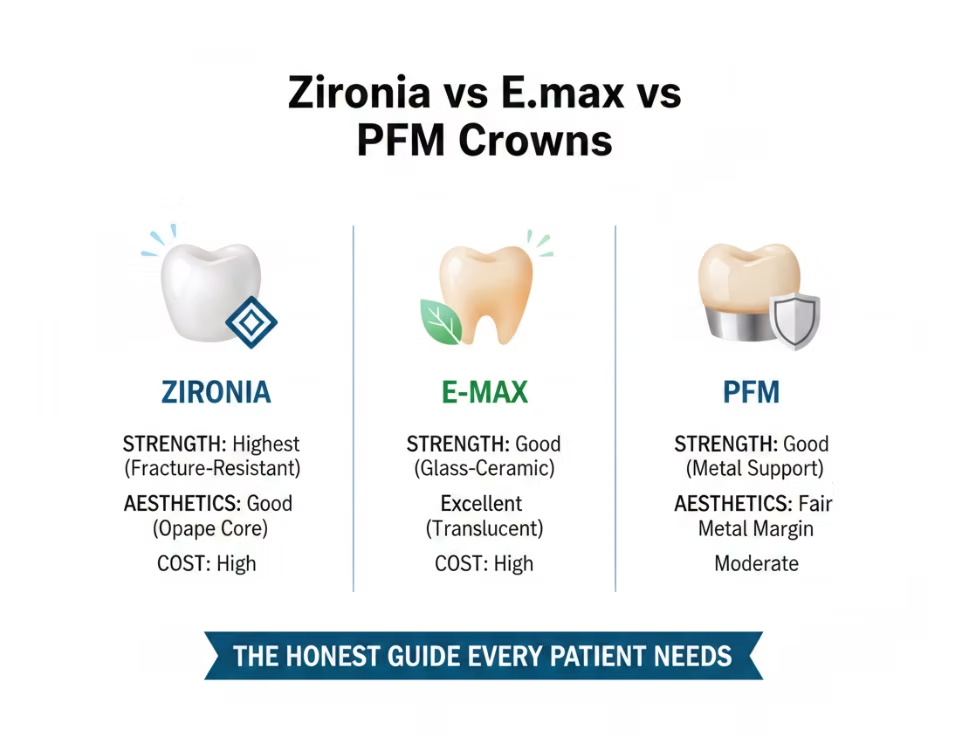
- Zirconia (high strength, metal-free)
- All-ceramic (excellent aesthetics for front teeth)
- Porcelain-fused-to-metal (durable, cost-effective)
Your dentist in Whitefield will recommend the best option based on bite force, tooth location, and aesthetic needs.
How a 3-Unit Dental Bridge Is Placed (Step-by-Step)
One of the biggest advantages of a bridge is speed and simplicity.
- Initial evaluation & digital scans
- Preparation of adjacent teeth
- Impressions or intraoral scanning
- Temporary bridge placement
- Final bridge cementation
The entire process is usually completed within 2–3 weeks, compared to several months for implants.
3-Unit Dental Bridge vs Dental Implant: A Practical Comparison
This is where most patients gain clarity.
Cost Comparison (Whitefield, Bangalore)
- 3-Unit Dental Bridge: More affordable upfront
- Dental Implant: Higher cost, often increased by bone grafting or surgical add-ons
For patients seeking quality treatment within a defined budget, bridges are often the preferred choice.
Time to Completion
- Bridge: Weeks
- Implant: 3–6 months (or longer with bone grafting)
If you want to restore your smile quickly—especially for professional or social reasons—a bridge is often the faster route.
Surgery vs Non-Surgical
- Implants require surgery and healing
- Bridges are non-invasive
Patients with medical conditions, healing concerns, or dental anxiety often prefer bridges for this reason.
Eligibility & Suitability
Implants require:
- Adequate bone density
- Good systemic health
- Willingness for surgery
Bridges are suitable even when:
- Bone loss is present
- Surgery is not advised
- Adjacent teeth already need crowns
Maintenance & Longevity
Both options require excellent oral hygiene.
- Bridges typically last 10–15+ years
- Implants can last longer but still require crown replacement
Longevity depends more on care and dentist expertise than the option itself.
When a 3-Unit Dental Bridge Is the Better Choice
A bridge is often the smarter option if:
- The teeth next to the missing tooth are already crowned or heavily filled
- There is insufficient jawbone for an implant
- You want to avoid surgery
- You prefer a faster solution
- Budget is a key consideration
In many Whitefield dental cases, bridges provide excellent functional and aesthetic outcomes without compromising oral health.
Advantages of a 3-Unit Dental Bridge
- Faster restoration of function and appearance
- Lower overall treatment complexity
- No surgical risks
- Predictable, time-tested results
- Natural-looking smile restoration
Modern bridges are not “outdated”—they are refined, durable, and highly aesthetic.
Limitations You Should Know (Transparent & Honest)
Tooth Preparation
The adjacent teeth must be prepared for crowns. This is not ideal if they are perfectly healthy, but beneficial if they already need restoration.
Longevity Compared to Implants
While implants may last longer in some cases, bridges offer excellent durability with proper care.
Maintenance
Daily flossing (using floss threaders or water flossers) is essential to keep the bridge healthy.
How Long Does a 3-Unit Dental Bridge Last?
With good oral hygiene and regular dental visits:
- 10–15 years is common
- Many bridges last much longer
Factors affecting lifespan:
- Material quality
- Bite alignment
- Dentist expertise
- Patient care habits
Choosing an experienced dental clinic in Whitefield significantly improves outcomes.
Cost of a 3-Unit Dental Bridge in Whitefield, Bangalore
Typical Cost Factors
- Material used
- Location of the tooth
- Complexity of bite
- Dentist’s experience
Insurance & Coverage
- Dental bridges are more commonly covered by insurance than implants
- This can significantly reduce out-of-pocket expenses
Your dentist can provide a transparent treatment estimate after evaluation.