Replacing a missing tooth doesn’t always require a dental implant. In fact, many patients in Whitefield actively look for non-surgical, faster, and more affordable alternatives to implants. Whether the concern is cost, healing time, medical conditions, or simply personal preference, dental bridges remain one of the most reliable ways to restore a missing tooth—without surgery.
This guide explains all your non-implant tooth replacement options, with a special focus on dental bridges, so you can make an informed decision based on your oral health, budget, and long-term needs. If you’re searching for clear answersnot sales talk this article is for you.
What Happens If You Don’t Replace a Missing Tooth?
Many people delay replacing a missing tooth, especially if it’s not immediately visible. However, even a single missing tooth can create long-term dental and facial problems.
Functional Problems
When a tooth is missing, your bite becomes unbalanced. This can lead to:
- Difficulty chewing food properly
- Excess pressure on remaining teeth
- Jaw discomfort or TMJ-related issues
- Changes in speech clarity
Over time, surrounding teeth start shifting into the empty space, creating misalignment and bite issues that may require orthodontic correction later.
Aesthetic & Confidence Impact
A missing tooth—especially in the front or smile zone—can affect:
- Smile symmetry
- Facial structure support
- Self-confidence in social or professional settings
Patients in Whitefield often report avoiding smiling or speaking freely due to visible gaps.
Long-Term Oral Health Risks
Leaving a missing tooth untreated can result in:
- Gradual bone loss in the jaw
- Increased risk of gum disease
- Higher chances of tooth decay in adjacent teeth
Replacing a missing tooth early helps prevent these complications.
Is It Possible to Replace a Tooth Without an Implant?
Yes absolutely. Dental implants are popular, but they are not the only permanent solution.
Proven Non-Implant Tooth Replacement Options
Dentists commonly recommend:
- Dental bridges (fixed, non-removable)
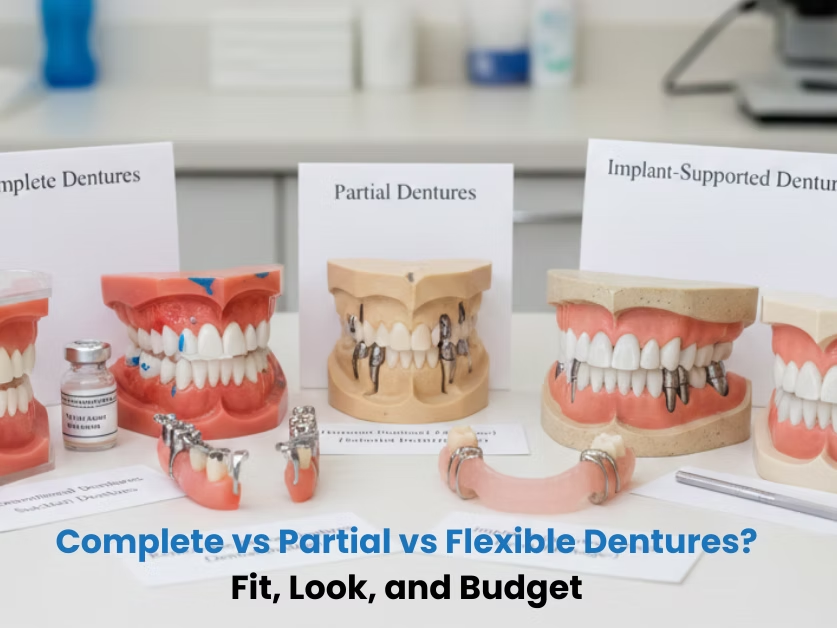
- Removable partial dentures
- Temporary prosthetic solutions (short-term)
Among these, dental bridges are the most stable, natural-looking, and widely used non-implant option.
When Dentists Recommend Non-Implant Solutions
A dentist in Whitefield may advise against implants if:
- You prefer a non-surgical approach
- Bone density is insufficient
- You have medical conditions affecting healing
- Budget is a primary concern
- Faster restoration is required
What Is a Dental Bridge?
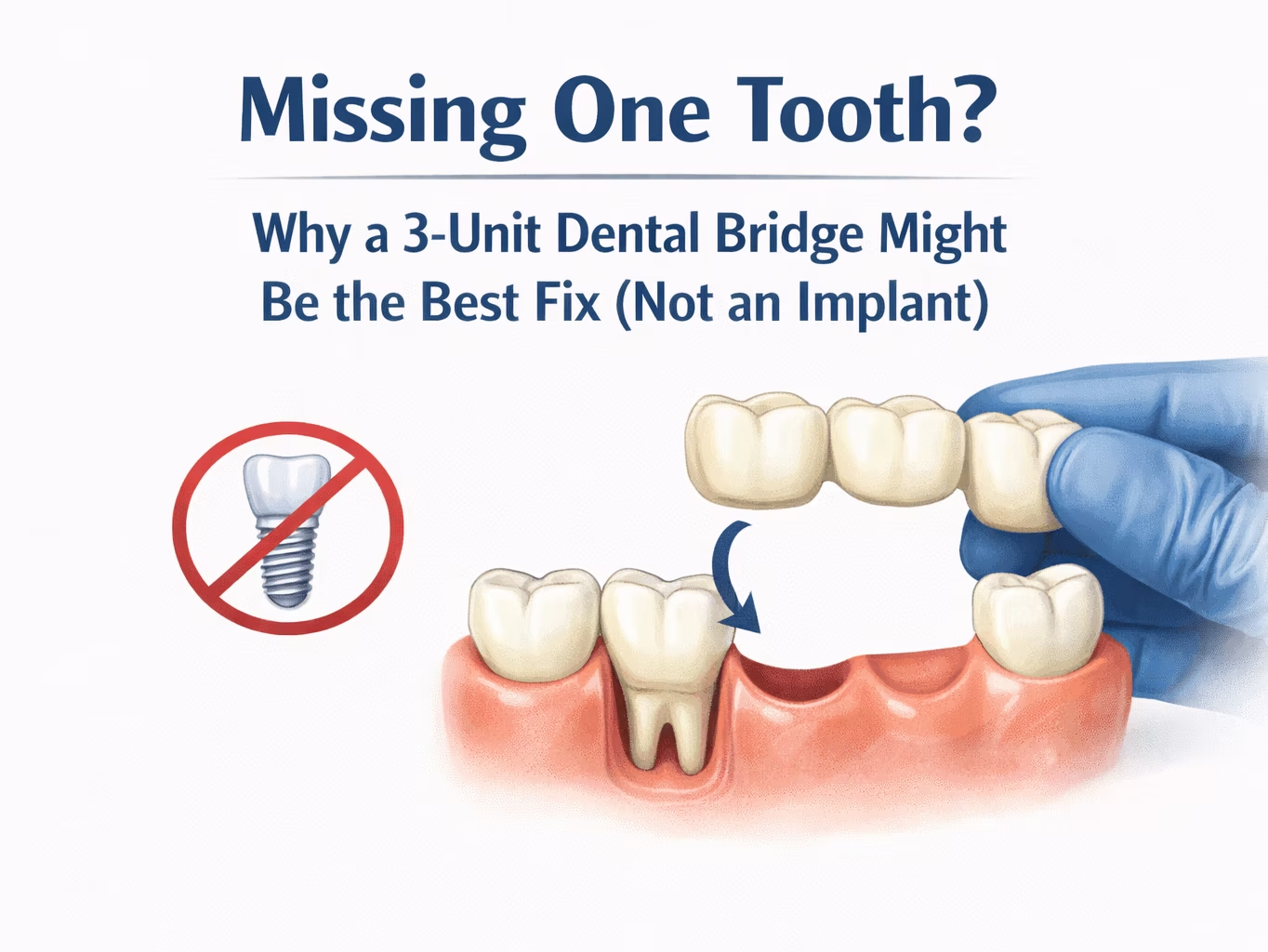
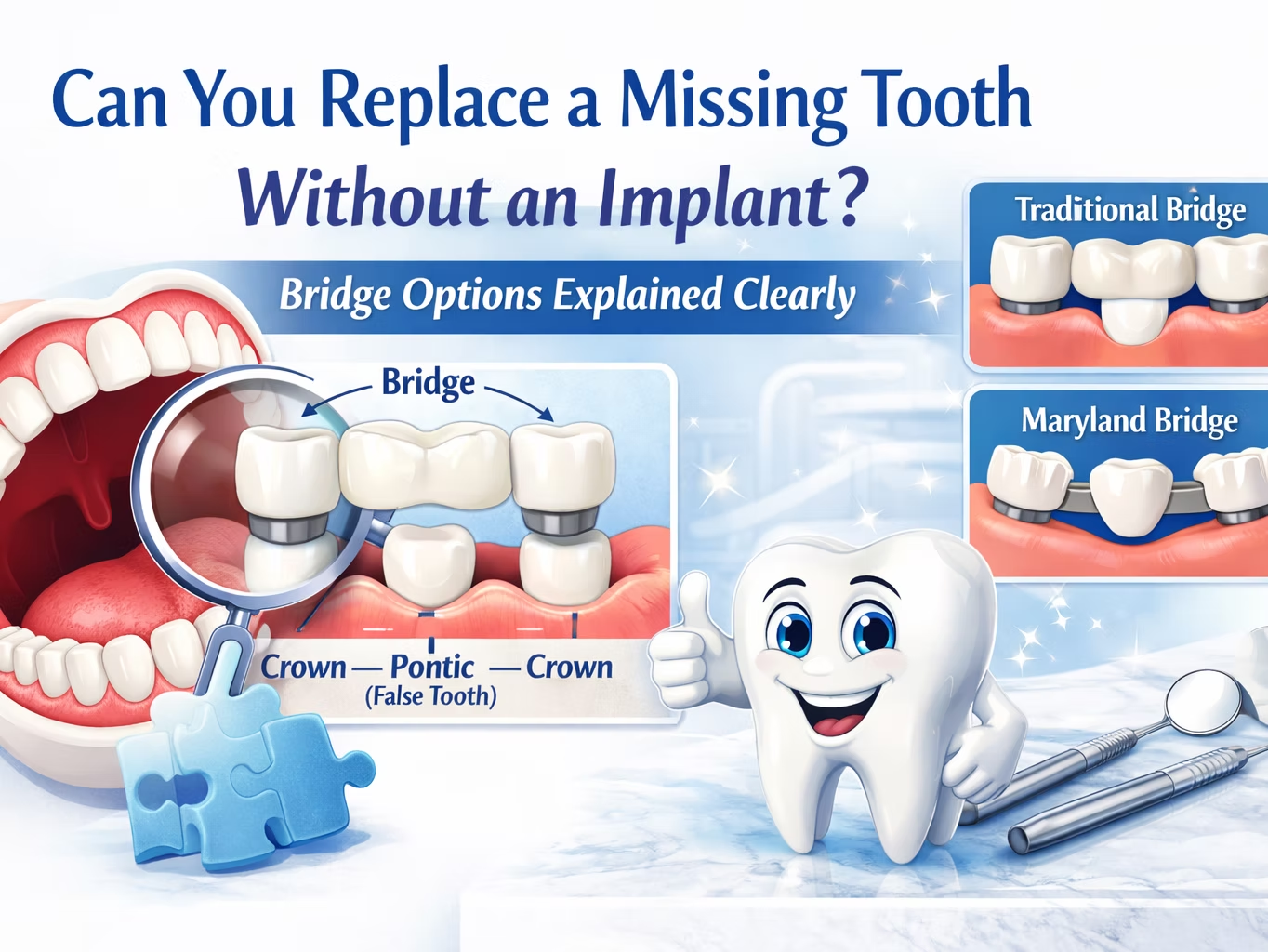
A dental bridge is a fixed prosthetic tooth that “bridges” the gap created by one or more missing teeth.
How a Dental Bridge Works
- The missing tooth is replaced with an artificial tooth (pontic)
- Adjacent natural teeth act as supports (abutments)
- The bridge is cemented in place and cannot be removed by the patient
Once placed, it functions like a natural tooth for chewing and speaking.
Materials Used in Dental Bridges
Depending on aesthetics and strength requirements, bridges may be made from:
- Porcelain or ceramic (most natural-looking)
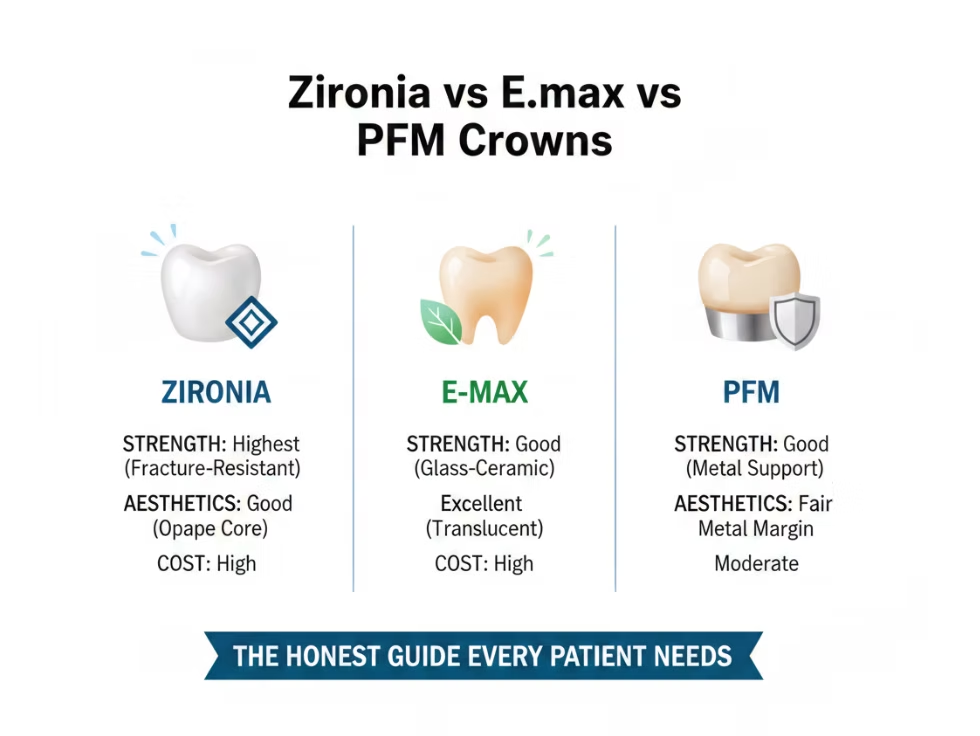
- Zirconia (high strength, excellent aesthetics)
- Metal-ceramic combinations (durable, cost-effective)
Types of Dental Bridges for Missing Teeth
Traditional Dental Bridge
This is the most common type used in Whitefield dental clinics.
How it works
- Crowns are placed on the two teeth adjacent to the gap
- The artificial tooth is suspended between them
Best for
- Back teeth
- Areas with strong adjacent teeth
Consideration
- Requires reshaping healthy neighboring teeth
Cantilever Dental Bridge
This bridge is supported by only one adjacent tooth.
Best for
- Areas with low chewing pressure
- When only one supporting tooth is available
Limitations
- Not ideal for molars
- Higher stress on the supporting tooth
Maryland (Resin-Bonded) Bridge
A conservative option commonly used for front teeth.
Advantages
- Minimal tooth preparation
- Preserves natural tooth structure
Limitations
- Less durable than traditional bridges
- Not suitable for heavy biting forces
Dental Bridge vs Dental Implant: A Clear Comparison
Procedure & Invasiveness
- Bridge: Non-surgical, no incisions
- Implant: Surgical placement into jawbone
Treatment Timeline
- Bridge: 1–2 weeks
- Implant: 3–6 months (including healing)
Cost Comparison (Whitefield, Bangalore)
- Dental Bridge: Lower upfront cost
- Implant: Higher initial investment
Durability & Lifespan
- Bridge: 5–15 years (with proper care)
- Implant: 20+ years
Bone Preservation
- Bridge: Does not prevent bone loss
- Implant: Helps preserve jawbone
Pros and Cons of Replacing a Tooth Without an Implant
Advantages of Dental Bridges
- No surgery or stitches
- Faster results
- More affordable
- Natural appearance
- Proven, time-tested solution
Limitations to Consider
- Adjacent teeth need preparation
- Bone loss may continue under the missing tooth
- Replacement may be needed after several years
Who Is a Good Candidate for a Dental Bridge?
Ideal Oral Conditions
You may be a good candidate if:
- Adjacent teeth are healthy
- Gums are free of active disease
- Jaw alignment is stable
Medical & Lifestyle Factors
Bridges are often preferred for:
- Patients with diabetes
- Smokers
- Older adults
- Patients avoiding surgery
Cost of Replacing a Missing Tooth Without an Implant in Whitefield
Average Dental Bridge Cost in Whitefield, Bangalore
Costs vary based on material and complexity:
- Porcelain bridge: Mid-range
- Zirconia bridge: Higher range
- Metal-ceramic bridge: More affordable
Insurance & Payment Options
- Some dental insurance plans cover bridges
- Many Whitefield clinics offer EMI or staged payments
Long-Term Cost Consideration
While implants last longer, bridges often provide a better short-to-medium-term ROI for many patients.
How Long Do Dental Bridges Last?
Average Lifespan
Most dental bridges last:
- 5–15 years
Factors Affecting Longevity
- Oral hygiene habits
- Grinding or clenching
- Regular dental check-ups
- Quality of materials
Dental Bridge Procedure: Step-by-Step
Step 1: Consultation & Diagnosis
Your dentist evaluates:
- Tooth structure
- Gum health
- Bite alignment
Step 2: Tooth Preparation
- Adjacent teeth are reshaped
- Impressions are taken
Step 3: Temporary Bridge
A temporary bridge protects prepared teeth.
Step 4: Final Placement
The permanent bridge is cemented and adjusted for comfort.
Caring for a Dental Bridge
Daily Oral Hygiene Tips
- Brush twice daily
- Use floss threaders or water flossers
- Clean under the bridge carefully
Foods to Avoid
- Hard candies
- Ice chewing
- Sticky foods
Regular Dental Visits
Professional cleanings extend bridge lifespan.
Alternatives to Dental Bridges
Removable Partial Dentures
- Lower cost
- Removable
- Less natural feel
Temporary Tooth Replacement
Used while planning permanent treatment.
Should You Choose a Bridge or Implant?
Dentists in Whitefield typically consider:
- Bone health
- Budget
- Time availability
- Patient comfort
There is no universal “best” option—only what’s best for you.